DFW Weather69°FModerate rainWind 14 mph
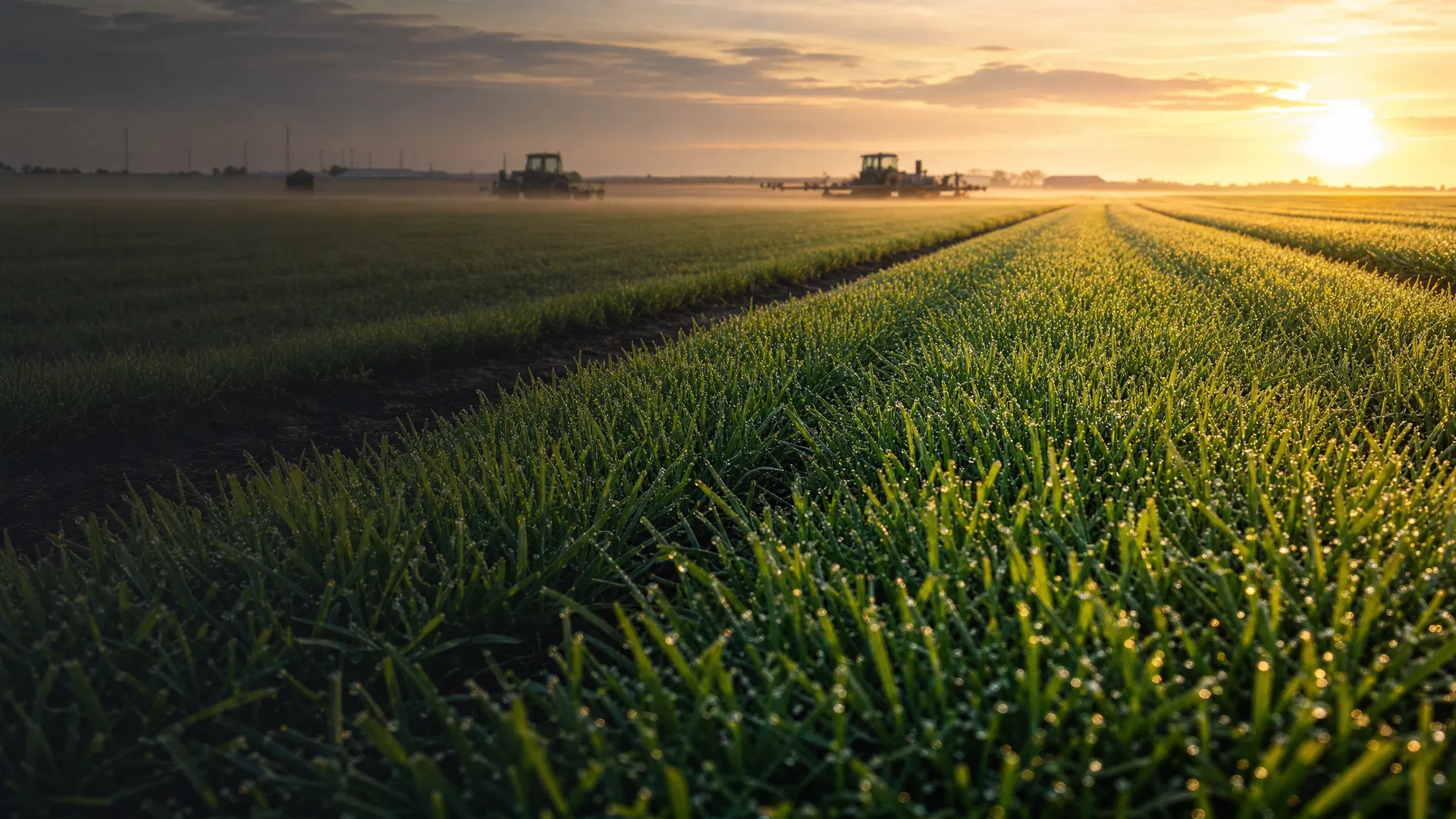
Buena Vista Turf field at sunrise
Turf Tips

Long-form turf care playbooks for stronger Bermuda sod and better first impressions.

Use these detailed field guides to protect fresh sod, build thicker Bermuda grass, and make better maintenance decisions across North Texas service areas.

Approx. 11100+ characters

Water New Sod the Right Way in North Texas

A practical establishment plan for fresh Bermuda sod, family yards, commercial properties, and crews working across Ravenna, Ivanhoe, Collinsville, Ferris, Dallas-Fort Worth, and surrounding counties.

new sod watering schedulehow to water Bermuda sodNorth Texas sod careDFW sod installationfresh sod delivery

Start with the real goal: root contact, not a wet-looking lawn.

Fresh sod can look finished the minute it is rolled out, but the first job is not appearance. The first job is helping the roots connect with the prepared soil underneath. That is why watering new sod is different from watering an established lawn. You are not trying to soak deep roots on day one. You are trying to keep the sod pad and the top layer of soil consistently moist long enough for the grass to knit down and begin feeding itself from the site. For Bermuda sod in North Texas, that first connection matters because sun, heat, wind, and reflected heat from concrete can dry edges faster than a homeowner expects.

A strong watering plan starts before the truck arrives. The soil should be graded, loose enough for root contact, and free of rocks, weeds, and construction debris. If the soil is powder dry, a light pre-watering can help reduce shock, but it should never turn the yard into mud. Mud prevents clean installation, causes footprints, and can leave the lawn uneven. The best installation surface is firm, slightly moist, and ready to receive the sod immediately. When Buena Vista Turf customers ask how soon they should water, the answer is simple: as soon as sections are installed and safe to water, start. Do not wait until the entire yard is finished if the sun is high and the weather is hot.

The first watering should be generous enough to wet the sod and the topsoil below it. Walk the site and pull up a corner in a few spots. If the bottom of the sod is damp and the soil below is damp, you are on the right track. If the sod is wet on top but dry underneath, the water has not done its job yet. If the site has puddles, runoff, or soft areas that shift when stepped on, the watering is too heavy or too fast for that soil. Clay-heavy soils common in parts of North Texas often need shorter cycles with breaks between them, while sandy or looser soils may accept water faster and dry faster. The field should drive the watering plan, not a generic timer setting.

Use the first two weeks to keep moisture consistent.

During the first several days, new Bermuda sod usually needs frequent light-to-moderate watering because the roots are still shallow. The surface should not be allowed to bake dry, especially along driveways, sidewalks, curbs, fences, and slopes. Those edges often fail first because they are exposed to wind and heat from hardscape. If a customer only checks the center of the yard, they may miss the areas that need help most. A simple habit is to check several zones each day: a sunny edge, a shaded section, a slope, a low spot, and a high-traffic corner where people or pets may cross.

In hot weather, multiple short watering cycles may work better than one long run. The reason is runoff. If water begins leaving the lawn and running into the street, the soil is not absorbing it at that speed. Stop, allow the soil to take in the moisture, then resume. This cycle-and-soak method is especially useful in Dallas-Fort Worth neighborhoods with compacted soil or new construction lots. It also helps protect the investment because water that runs down the curb is not helping the sod establish. Good watering is not about using the most water. It is about putting the right amount of water where roots can use it.

After the first week, begin looking for signs that roots are grabbing. Lightly tug on a few corners. If the sod resists, roots are beginning to anchor. That does not mean the lawn is fully established, but it does mean the watering plan can begin moving toward deeper, less frequent irrigation. The transition should be gradual. Cutting water too quickly can stress the turf right when it is trying to build strength. Keeping the lawn constantly saturated for too long can also create problems, including soft ground, disease pressure, and weak rooting. The winning approach is controlled adjustment: watch the lawn, check the soil, and move from frequent establishment watering to deeper maintenance watering as the grass proves it is ready.

Adjust for heat, wind, shade, soil, and property use.

No watering schedule works perfectly for every property. A yard in full sun in Ferris may dry differently than a shaded lawn in Dallas, a rural property near Ravenna, or a commercial site surrounded by concrete. Wind can pull moisture from sod fast. Afternoon heat can punish exposed edges. Shaded areas may stay wet longer and need less water. Slopes may shed water before the soil absorbs it. Low areas may stay soft and require shorter irrigation. The customer who reads these differences early usually gets a better lawn than the customer who sets one timer and never walks the site.

Bermuda sod performs best in strong sun, so full-sun areas often grow aggressively once established. During establishment, those same sunny areas can dry quickly. If one part of the lawn looks gray-green, curled, or dull while another part looks bright and upright, the lawn is telling you something. Dry Bermuda can show stress with a bluish or gray cast before it turns brown. Footprints that remain visible can also signal moisture stress. On the other side, areas that stay squishy, smell sour, or show standing water may be receiving too much water or may have drainage problems that irrigation cannot solve by itself.

Traffic is another factor. New sod should be protected from unnecessary foot traffic while it roots. Crews may need to cross the site during installation, but after the lawn is laid, repeated walking, pets, equipment, and children playing can shift seams and break root contact. For homeowners, that means setting expectations with the family before delivery day. For builders and contractors, it means coordinating other trades so fresh sod is not damaged by ladders, wheelbarrows, or material staging. Watering and traffic control work together. Even a perfect watering schedule cannot overcome sod that has been moved, lifted, or compacted before roots establish.

Move from establishment watering to maintenance watering.

Once Bermuda sod begins to root, the watering goal changes. Established grass should be encouraged to root deeper, which means watering deeper and less often instead of keeping the surface constantly wet. This transition is where many lawns either build strength or become dependent on shallow moisture. Deep roots improve heat tolerance, traffic recovery, and day-to-day resilience. The exact timing depends on weather, soil, and how quickly the sod grabs, but the principle is consistent: do not keep treating an established lawn like it was installed yesterday.

A practical transition is to reduce frequency while increasing the depth of each watering cycle, always staying inside local watering rules. Early morning is usually the best window because the lawn receives moisture before the heat of the day and dries more cleanly than it would at night. Watering late in the evening can leave grass wet for long periods, which may increase disease pressure in certain conditions. Midday watering may be necessary in emergency heat stress during establishment, but as a routine habit it can waste more water to evaporation and wind drift.

The long-term maintenance target is a lawn that can handle normal North Texas conditions without panic watering every afternoon. That comes from proper soil prep, fresh sod, immediate watering after installation, careful establishment, and then a smart transition. Customers who want a dependable lawn should also keep mower blades sharp, avoid scalping, and avoid heavy fertilizer until the turf is ready. Water is only one part of establishment, but it is the part that can make or break the project in the first two weeks.

Common watering mistakes that cost customers money.

The first mistake is waiting too long to water. Fresh-cut sod is a living product. It should be installed quickly and watered quickly. The second mistake is assuming rain solved everything. Light rain may wet the blades without soaking through the sod pad. After rain, check the soil under the sod instead of guessing. The third mistake is watering only the easiest areas. Edges, corners, seams, slopes, and reflected-heat zones deserve extra attention. The fourth mistake is overcorrecting every dry spot by flooding the entire yard. Sometimes one sprinkler head needs adjustment, one hose needs to run on an edge, or one slope needs shorter cycles.

Another expensive mistake is ignoring irrigation coverage. A system can run for twenty minutes and still miss strips between heads, corners by fences, or narrow side yards. Before installation, run the irrigation and watch the coverage. After installation, walk the lawn while the system is running. Look for blocked heads, overspray, dry arcs, and areas where water hits the street instead of the turf. If irrigation is not installed, plan hoses, sprinklers, and labor before delivery. Do not wait until pallets are on the ground to discover the site has no practical way to water.

The best customers are proactive. They measure the project, prepare the soil, schedule installation labor, confirm watering equipment, and ask questions before the sod arrives. That kind of planning protects the lawn and protects the budget. Whether the project is a residential yard, builder lot, athletic area, commercial frontage, or rural property, the establishment window is short. Treat it seriously and the lawn has a much better chance to become the thick, clean, usable turf the customer expected when they ordered fresh sod.

For homeowners searching for sod near me, Bermuda sod delivery, or fresh grass for a new yard, the biggest hidden advantage is preparation. A clean estimate should include square footage, grass type, access for delivery, watering readiness, and the date the property can actually be installed. Those details help the turf supplier, the installer, and the customer avoid delays. If pallets arrive before the site is graded or before hoses and sprinklers are ready, quality grass can still be put at risk. If the customer prepares before ordering, the project moves faster and the lawn has a stronger start.

Watering also affects customer expectations after the quote. A buyer may compare sod prices, but the real value comes from grass that survives establishment and turns into a usable lawn. Cheap sod installed without a watering plan can become expensive quickly. Fresh Bermuda sod installed with soil prep, fast watering, edge checks, and gradual transition to maintenance watering gives customers a better return on the entire project. That is why Buena Vista Turf treats watering guidance as part of the buying conversation, not an afterthought.

Need a watering plan for a specific yard, soil type, or Bermuda sod delivery? Request a quote and tell us the location, square footage, and timing so the Buena Vista Turf team can help you plan the next step.

Plan my sod project
Approx. 10800+ characters

Mow Bermuda Sod for Density, Recovery, and Curb Appeal

A field-tested mowing and maintenance guide for customers who want Bermuda grass to look clean, grow tight, and handle North Texas traffic after installation.

Bermuda sod mowing heightwhen to mow new sodBermuda grass carelawn care North Texassod maintenance tips

Do not rush the first mow.

The first mow after new sod installation should be based on root establishment, not impatience. A fresh lawn may look ready because the blades are standing tall, but the sod can still be loose underneath. If the mower turns, drags, or pulls at seams before the roots anchor, it can shift pieces and damage the contact that the watering plan is trying to build. Before the first mow, test a few areas by gently tugging on the sod. If it lifts easily, wait. If it resists and the lawn has enough height to justify cutting, the first mow can be planned with care.

For Bermuda sod, mowing is not just cosmetic. Mowing influences density, lateral spread, color, traffic recovery, and the finished look of the property. Bermuda naturally wants to spread through runners, and consistent mowing can encourage a tighter canopy when the grass is healthy. But mowing too low too soon can stress the plant, expose soil, heat the surface, and slow establishment. The goal is to begin with a clean, conservative cut that removes only a modest amount of blade tissue. Customers should avoid the temptation to scalp new sod because they want an instant golf-course look. A strong lawn is built through sequence, not shortcuts.

A sharp mower blade matters more than many people think. Dull blades tear grass instead of cutting it, leaving ragged tips that brown faster and make the lawn look tired even when it is watered correctly. Before mowing new sod, sharpen the blade, set the height appropriately, and mow when the ground is firm enough to support the mower without leaving ruts. If the site is still soft from establishment watering, wait until it firms up. Ruts in new sod create uneven surfaces that are difficult to correct later.

Follow the one-third rule and build a consistent rhythm.

A simple mowing principle helps protect Bermuda grass: avoid removing more than one-third of the blade height in a single mowing. When too much leaf tissue is removed at once, the plant loses energy-producing surface area and can show stress. This matters during fast spring and summer growth when Bermuda may need mowing more often than homeowners expect. If a customer waits too long, the next mow becomes more aggressive, the lawn looks stemmy, and clippings can clump on the surface. Regular mowing keeps the canopy cleaner and helps the turf maintain a professional appearance.

The right mowing frequency depends on growth rate, which is influenced by temperature, sunlight, moisture, fertility, and the turf variety. In active growing season, Bermuda can grow quickly when watered and fed. A residential customer may need to mow weekly or more often during peak growth, while commercial or sports turf may follow a tighter schedule. During drought stress, shade stress, or cooler periods, growth slows and mowing frequency should adjust. The mower should follow the grass, not a rigid calendar that ignores conditions.

Changing mowing direction can also help. Repeatedly mowing the same path can create grain, tracks, and compaction patterns. Alternating directions reduces wear and improves appearance. On slopes, safety comes first, but where practical, vary the route. For larger properties, crews should plan turns carefully so equipment does not tear corners or create worn turnaround zones. Bermuda can recover from traffic, but recovery is not an excuse to abuse the turf during establishment or under stress.

Match mowing height to the use of the property.

Not every Bermuda lawn should be maintained the same way. A homeowner who wants a clean, durable family yard has different priorities than a sports field, commercial frontage, rental property, or high-end display lawn. Lower mowing can create a tighter look when the turf is healthy and the equipment is appropriate, but lower mowing usually requires more frequent cuts and better management. Higher mowing can provide more leaf surface and may be more forgiving for typical residential care. The right answer depends on the customer’s expectations, time, equipment, and site conditions.

Customers should be honest about maintenance capacity before choosing a look. If the goal is a low, manicured Bermuda lawn, the owner must be ready for consistent mowing, sharp blades, good irrigation coverage, and smart fertility. If the lawn will be maintained by a basic rotary mower every week or two, the plan should be more forgiving. A mismatch between desired appearance and actual maintenance is one of the main reasons lawns disappoint customers. Buena Vista Turf can provide fresh sod, but the finished product also depends on the care system after installation.

Shade must be considered. Bermuda prefers sun. In areas with too much shade, mowing lower will not solve the problem and may make it worse by reducing the plant’s ability to capture light. If a lawn has heavy tree shade, narrow side yards, or building shadows, the customer should discuss turf selection before ordering. Bermuda can be the right answer for sunny, active areas, but every site should be evaluated honestly. A good turf recommendation protects the customer from buying grass that does not match the property.

Use mowing with watering and fertility, not against them.

Mowing does not stand alone. A lawn that is watered shallow every day, fertilized heavily at the wrong time, and mowed with dull blades will not perform like a lawn managed as a system. After new sod establishes, watering should move toward deeper, less frequent irrigation. That encourages stronger roots. Mowing should then remove a reasonable amount of growth at a consistent interval. Fertility should support the turf without forcing weak, excessive top growth that demands constant mowing and increases stress.

Customers often ask when to fertilize new sod. The answer depends on soil preparation, season, turf condition, and product choice. Heavy fertilizer immediately after installation is not always the best move. The priority is root establishment and moisture management. Once the sod is rooted and actively growing, a sensible fertility program can help Bermuda thicken and recover. Soil testing can be useful for customers who want to manage the lawn seriously, especially on large properties, commercial sites, or sports fields where mistakes cost more.

Clippings are another practical detail. If mowing regularly and removing only a small amount of blade, fine clippings can usually filter back into the canopy and return nutrients. If the lawn is overgrown and clippings clump, they should be dispersed or collected because heavy mats can shade turf and trap moisture. A clean mowing habit is part of presenting a finished property. For builders, real estate listings, restaurants, offices, and event spaces, the difference between rough mowing and sharp mowing shows immediately from the curb.

Fix mowing problems before they become lawn problems.

Scalped spots, tire ruts, brown tips, uneven color, and torn seams are signals. Some are equipment problems. Some are watering problems. Some are soil or grade problems. A customer should not ignore those signals until the lawn declines. If a mower scalps the same high spot every week, the grade may need correction or the mowing height should be adjusted. If tire tracks remain after mowing, the soil may be too wet or the equipment may be too heavy for current conditions. If blade tips look shredded, sharpen the mower. If seams lift, the lawn may need more rooting time and less traffic.

Bermuda sod can be very forgiving when it is installed in the right place and maintained correctly, but forgiving does not mean maintenance-free. It rewards consistency. The lawns that look best in North Texas usually have the basics under control: enough sun, good soil contact, proper establishment watering, mowing at the right time, sharp blades, reasonable fertility, and early correction of small issues. None of that is complicated, but skipping any part can reduce the value of the sod investment.

For customers comparing sod suppliers, mowing guidance matters because the purchase does not end when pallets leave the farm. A serious turf partner helps customers think through what happens after delivery. Buena Vista Turf wants customers to get a lawn that performs, not just a delivery ticket. That means talking about installation timing, watering, mowing, traffic, and realistic expectations for the property. Fresh sod gives the lawn a strong start. Good mowing turns that start into a durable, good-looking stand of grass.

Mowing is also one of the most visible signals of property care. A homeowner may want better curb appeal before listing a house. A builder may need a clean finish before closing. A restaurant, office, school, church, or sports facility may need turf that looks organized from the street and holds up under people walking across it. In each case, Bermuda sod can be a strong choice when the lawn receives enough sun and the maintenance plan matches the use. The customer should not only ask what the sod costs. They should ask what mowing schedule, mower type, and care rhythm will protect that investment after installation.

For people searching Bermuda sod for sale, sod delivery near Dallas-Fort Worth, commercial sod supplier, or grass for high-traffic lawns, mowing guidance can help separate a short-term purchase from a long-term result. If the property will be cut by a landscape crew, the owner should communicate the establishment timeline so the crew does not mow too early. If the owner will maintain the lawn personally, the right mower height, blade sharpness, and weekly rhythm should be decided before the grass gets tall. A beautiful Bermuda lawn is not created by one big cut. It is created by repeated small decisions that keep the turf dense, even, and resilient.

Seasonal timing matters too. Spring and summer mowing decisions are different from late fall and winter decisions because Bermuda growth slows as temperatures drop. During active growth, the lawn may need more frequent mowing to stay clean. During stress or dormancy, aggressive mowing can do more harm than good. Customers should watch growth rate, not just the calendar. If the lawn is not actively growing, the goal is protection. If it is pushing hard in heat and sun with proper moisture, the goal is consistency. This is where local experience matters for North Texas sod buyers.

Want Bermuda sod that fits the way your property will actually be maintained? Request a quote and tell us whether the lawn is residential, commercial, sports, builder, or high-traffic turf.

Plan my sod project
Approx. 10700+ characters

Read the Lawn Before You React

A decision guide for diagnosing Bermuda sod stress, heat, shade, soil issues, traffic wear, and installation problems before spending money on the wrong fix.

Bermuda sod problemssod turning brownTexas lawn care tipsBermuda grass troubleshootingsod installation help

The lawn usually tells the truth before the invoice does.

When a lawn starts to struggle, many customers jump straight to a product: more water, more fertilizer, weed killer, fungicide, topsoil, seed, or another pallet of sod. That reaction can waste money because the visible symptom is not always the root cause. A brown edge may be dry, but it may also be sitting against hot concrete. A yellow area may need nutrients, but it may also be too wet, compacted, shaded, or damaged by traffic. A thin section of Bermuda may need more sunlight, not more fertilizer. The smarter move is to read the lawn before reacting.

Reading the lawn means slowing down and looking at patterns. Is the issue happening along edges, seams, slopes, low spots, shaded zones, sprinkler arcs, pet paths, or equipment tracks? Does the problem appear after mowing, after watering, after heat spikes, or after heavy use? Is the sod loose or rooted? Is the soil dry underneath, wet underneath, hard as concrete, or soft and sour? These questions help separate watering problems from installation problems, soil problems from maintenance problems, and turf selection problems from temporary stress.

For Bermuda sod customers in North Texas, pattern recognition matters because weather can change fast. Heat, wind, storms, clay soil, watering restrictions, and construction activity can all affect the lawn. A property in Dallas-Fort Worth may have reflected heat from pavement, while a rural property near Ravenna or Ivanhoe may deal with open wind and larger exposed areas. A commercial frontage may receive foot traffic and mower stress. A backyard may have pets, shade, and irrigation gaps. The best solution depends on the site, not a generic lawn-care answer.

Separate establishment stress from long-term maintenance problems.

New sod stress is different from established lawn stress. During the first days and weeks, the main questions are whether the sod was installed quickly, watered correctly, pressed into good soil contact, protected from traffic, and allowed to root. If the sod is still loose, many problems trace back to establishment. Dry seams, lifted corners, shrinking edges, and footprints can point to moisture and contact issues. If the lawn is fully rooted and has been maintained for months, the questions shift toward mowing height, irrigation depth, fertility, shade, compaction, and seasonal stress.

A simple test is to pull gently on the turf. If it lifts like a carpet, roots have not anchored. If it resists, the lawn is connecting. Another test is to check moisture below the sod, not just on top. A lawn can look wet because blades are damp while the root zone remains dry. The opposite can also happen: the surface may look normal while the soil below is saturated. Both conditions can hurt establishment. Customers should use their hands, eyes, and feet. Feel the soil. Look at the color. Notice whether the ground is firm, dry, muddy, or uneven.

Long-term maintenance problems often show up as recurring patterns. If the same area declines every summer, it may be heat, irrigation coverage, soil depth, or reflected heat. If the same shaded strip thins every year, the grass may not be receiving enough light for Bermuda. If the lawn looks rough after every mow, the mower setup may be wrong. If weeds invade thin areas, the turf density may be too weak to compete. Solving these issues requires fixing the system. Buying more sod without fixing the cause can create the same problem again.

Use color, texture, and growth habit as clues.

Bermuda grass communicates through color and texture. A healthy stand in active growth should look dense, consistent, and responsive to mowing. Drought stress may show as a dull, bluish-gray cast, folded leaves, or footprints that remain visible. Heat stress may appear first near concrete, metal edging, south-facing slopes, and exposed corners. Overwatering may show as soft soil, weak growth, algae, sour smells, or disease pressure. Nutrient issues may create pale color, but color alone is not enough to diagnose because water, soil, temperature, and mowing can all affect appearance.

Texture matters too. If the lawn feels spongy, that may point to excessive thatch, soft soil, or overwatering. If it feels hard and compacted, roots may struggle to breathe and water may run off instead of soaking in. If the turf tears under mower turns, it may be too wet, too new, or not rooted deeply enough. If runners are present but the canopy stays thin, sunlight, mowing, fertility, or traffic may be limiting density. Customers should not panic at every color change, but they should pay attention to trends.

Growth habit is another clue. Bermuda spreads aggressively when conditions are right, especially in sun. If it refuses to fill an area, something is limiting it. Shade is one of the biggest limits. Water cannot replace sunlight. Fertilizer cannot replace sunlight. If a customer wants turf under heavy trees or between buildings with limited direct sun, the site may need a different grass choice, pruning, landscape redesign, or a realistic expectation. The right turf decision before installation saves frustration after installation.

Understand traffic, pets, and job-site damage.

Many lawn problems are not biological. They are mechanical. New sod can be damaged by foot traffic, pets, wheelbarrows, deliveries, trailers, ladders, and construction crews. Established Bermuda can recover from traffic better than many grasses, but recovery still depends on sunlight, moisture, fertility, and time. If the same path is used every day by pets, children, customers, or workers, the lawn may thin there no matter how much product is applied. The solution may be traffic control, stepping stones, path redesign, temporary fencing, or maintenance changes.

Pets create specific challenges. Dog traffic can wear paths, especially near gates, fence lines, and favorite running areas. Urine spots can create localized burn or color changes. Watering and flushing may help with isolated spots, but repeated use in the same area often requires behavior or layout changes. For families, this does not mean Bermuda is a bad choice. It means the lawn should be planned around how the property is actually used. A durable grass still needs realistic management.

Commercial and builder sites have their own risks. A lawn may be installed beautifully and then damaged by another trade, parked equipment, poor drainage, or delayed irrigation. Property managers should coordinate schedules so fresh sod is not treated like a staging area. Builders should avoid installing sod too early if heavy work is still planned. Restaurants, offices, and event venues should think about pedestrian flow before turf is installed. The cheapest repair is preventing damage before it happens.

Make better decisions before ordering more sod.

There are times when replacing sod is the right call. Severe neglect, construction damage, grade changes, dead areas, and wrong-grass situations may require new turf. But before ordering more sod, customers should identify why the previous grass failed. If the issue was lack of water during establishment, the next order needs a better watering plan. If the issue was shade, the next order needs a turf-selection conversation. If the issue was compaction, the soil needs correction. If the issue was traffic, the property needs a use plan. Replacement without diagnosis is gambling with the same money twice.

A clear decision process helps. First, define the area and measure it accurately. Second, identify the pattern of failure. Third, check sun exposure and irrigation coverage. Fourth, inspect soil condition and grade. Fifth, consider traffic, pets, and maintenance capacity. Sixth, choose the turf and timing that match the site. This process works for homeowners, landscapers, contractors, municipalities, schools, property managers, and commercial owners. The details change, but the logic stays the same.

Buena Vista Turf serves customers across Ravenna, Ivanhoe, Collinsville, Ferris, Dallas-Fort Worth, and surrounding counties, and the best conversations start with the real conditions on the ground. If a customer can share square footage, photos, sun exposure, irrigation status, delivery access, and the problem they are trying to solve, the recommendation becomes stronger. The goal is not just to sell grass. The goal is to help customers choose sod that can succeed on their property and understand what it takes to keep it performing.

This matters for every type of buyer. A homeowner may be trying to fix a backyard before summer. A landscaper may need dependable pallets for a client deadline. A contractor may need sod for a new build. A sports field manager may be trying to recover a worn area before the next season. A commercial property manager may need curb appeal without creating maintenance problems. Each customer may search with different words, but they are all asking the same business question: what grass should I buy, when should I install it, and what has to happen so it lasts? The better the diagnosis, the better the answer.

Before spending money, customers should collect evidence. Take photos in morning and afternoon light. Note which areas receive full sun and which are shaded. Run the irrigation and mark dry zones. Measure the square footage instead of guessing. Look at the soil below the weak area. Think about pets, children, parking, drainage, slopes, and mower access. These details help avoid the common mistake of treating every brown spot like a water problem or every thin area like a fertilizer problem. Sometimes the best solution is new Bermuda sod. Sometimes the best solution is better preparation before the sod is ordered.

For searchers looking for sod installation help, Bermuda grass troubleshooting, Texas lawn care tips, or sod replacement in the DFW area, the most useful advice is to slow the decision down just enough to get it right. A quick quote is valuable, but a quick quote with accurate site information is even better. Buena Vista Turf can help customers move quickly, but speed should not replace diagnosis. When the problem is understood, the next pallet, watering plan, mowing plan, or soil correction has a much better chance of producing the lawn the customer actually wants.

Not sure whether your lawn needs water, mowing changes, soil prep, or replacement sod? Request a quote and include photos, square footage, and your city so the team can help you make the next decision with less guesswork.

Plan my sod project